

Modern methods for underground work Trenchless Technology
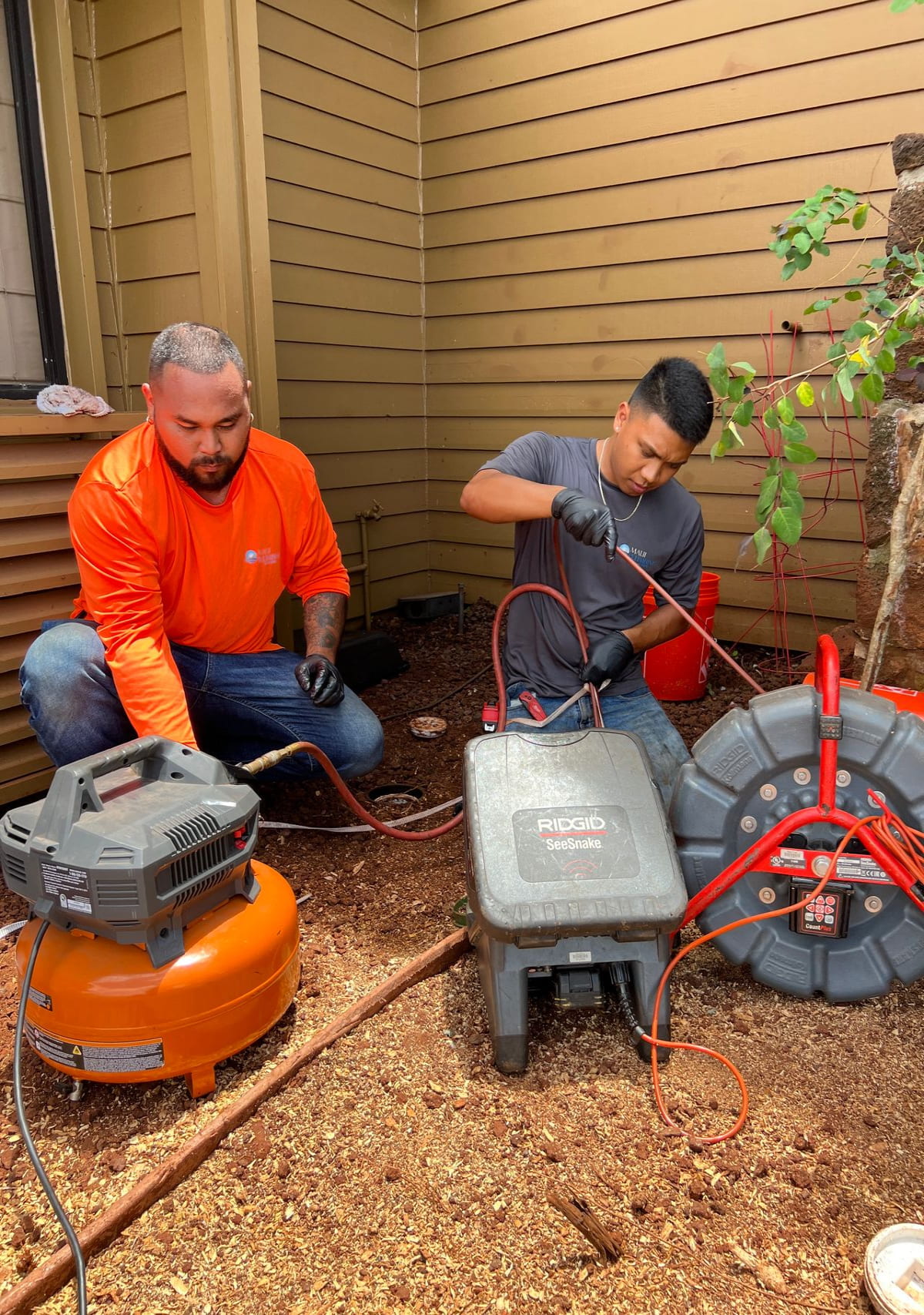
Long-lasting results with minimal disruption
Many of Maui’s buildings are showing their age—and so are their pipes. Frequent pipe failures, backups, and leaks are becoming more common. That’s why Maui Plumbing has invested in advanced trenchless technology to offer non-invasive, long-term solutions for aging piping systems.
What's the difference between CIPP & pipe coating?
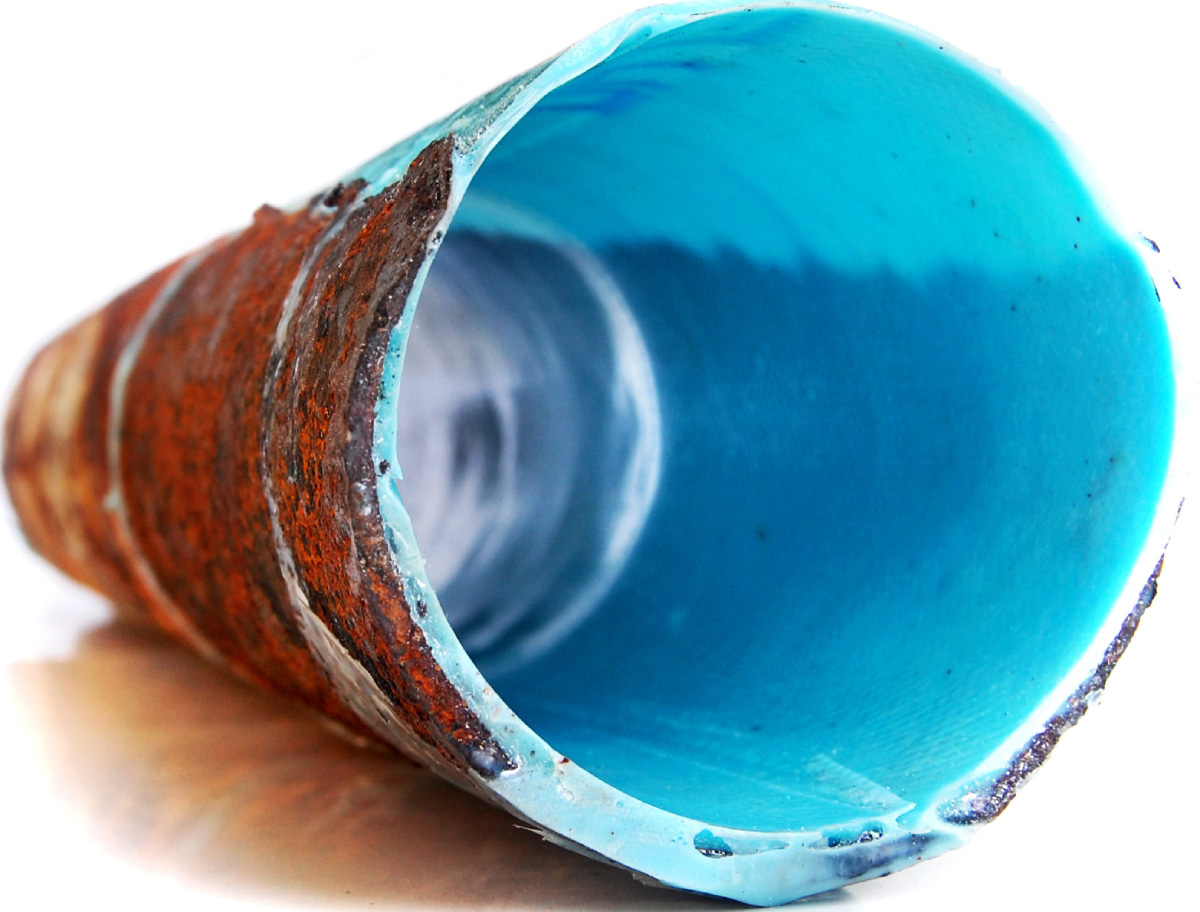
Cured-In-Place Pipe (CIPP) is a minimally invasive method that installs an epoxy-saturated felt tube inside the existing pipe, creating a new, seamless, structural pipe without excavation. It restores damaged drain, sewer, and storm lines, improves flow, and is ideal for properties where replacement would be costly or disruptive.
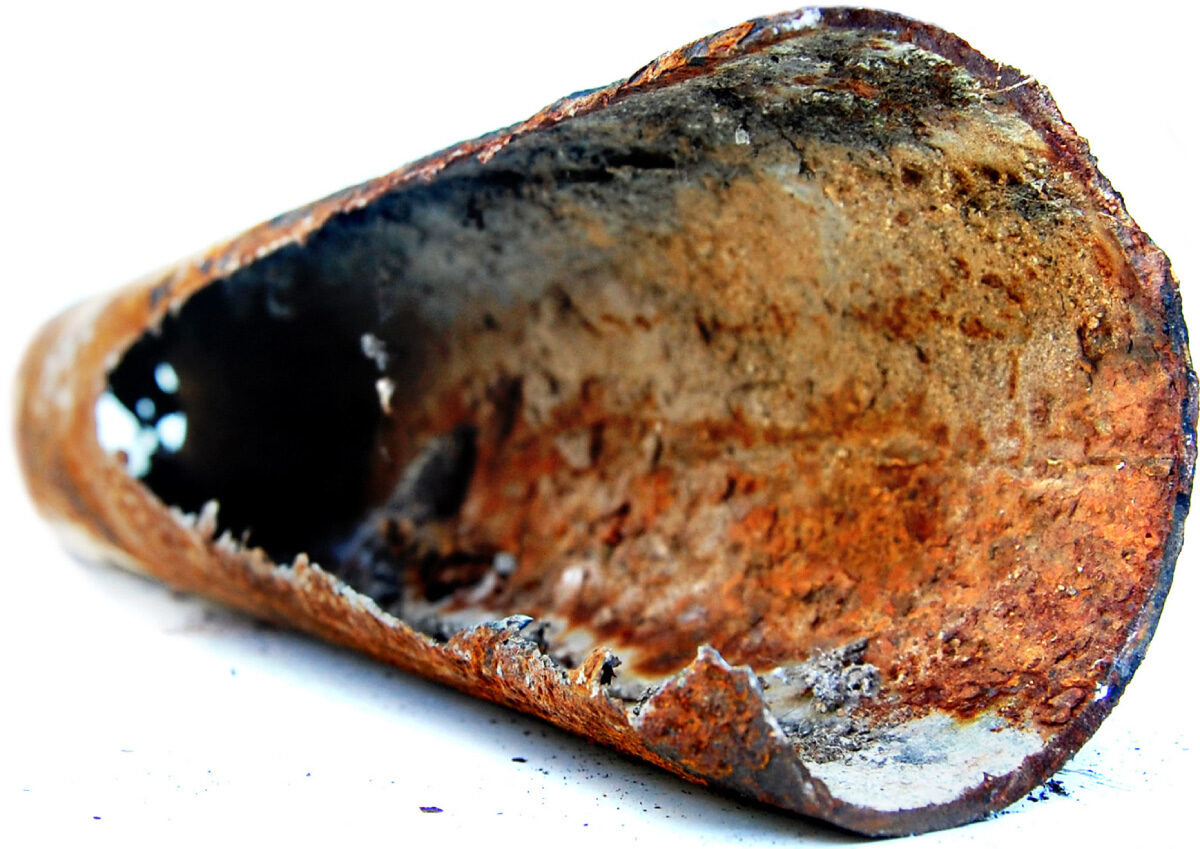
Pipe coating, by contrast, applies a thin epoxy layer to the interior of the pipe. It does not create a new structural pipe; it only seals minor leaks and reduces corrosion. Coating is best for newer systems that still have sound pipe walls. While cost-effective, it is not a substitute for CIPP and generally cannot address the severely deteriorated cast-iron piping common in many Maui condominium buildings.
Pipe coating is highly sensitive to installation quality. The pipe must be thoroughly cleaned and completely dried for the epoxy to bond properly. When technicians lack training or skip critical prep steps, the coating may look fine at first but can later delaminate, leading to repeat failures, added costs, and renewed disruption for building owners.
CIPP pipe lining provides more efficient restoration
Our CIPP (Cured-in-Place Pipe) lining services offer a fast, efficient, and non-destructive way to restore failing pipes—without tearing out walls, floors, or landscaping. Our trained technicians take a holistic approach, tailoring the solution to your property’s unique system, layout, and conditions.
- Minimal excavation or demolition required
- Less disruption to residents and businesses
- Faster turnaround than traditional pipe replacement
- Long-lasting, seamless pipe protection
- Cost-effective for hard-to-access areas
Powered by NuFlow Technologies
Platinum Certified Contractor
We’ve partnered with NuFlow Technologies, the global leader in trenchless pipe rehabilitation. Their patented CIPP lining systems are ideal for restoring sanitary and potable piping systems located in hard-to-reach areas, such as:
- Under concrete slabs and driveways
- Inside walls and ceilings
- Beneath landscaping or high-traffic areas
Our technicians undergo continuous training with NuFlow’s expert instructors, ensuring top-tier workmanship and reliable results on every job.
Need a full repipe instead?
As Maui’s buildings pass the 40-year mark, many piping systems are beginning to fail—leading to recurring leaks, water damage, and unplanned downtime. We provide full re-piping services for condos, commercial properties, and high-occupancy facilities using advanced, minimally invasive methods.
With LiDAR scanning, we create precise 3D models of existing systems—even when original blueprints are unavailable. This allows our team to plan and coordinate every phase of the project with confidence, giving property owners clear timelines, accurate pricing, and minimal disruption to tenants or operations.
Featured trenchless technology projects
PCIPP lining FAQ
We can install CIPP liners in piping from 1½ inches up to 24 inches in diameter.
We use custom fitting liners designed specifically for wyes, combos, and sanitary tees. This method creates a fully sealed, watertight connection. It is superior to the “reinstatement” method—where branches are drilled open after lining—which can lead to leaks and delamination.
Typically around 4 hours, but the outage is kept as short as possible while ensuring proper curing.
Yes, by less than ¼ inch. However, in corroded cast iron, flow capacity can actually increase by up to 150% because the smooth liner surface eliminates roughness and tuberculation.
We perform a detailed investigation of the drainage system, develop accurate as-built drawings, and use that information to create precise cost proposals and project schedules.
The NuFlow system uses a pull-in-place installation method, allowing liners to navigate multiple bends and be positioned with high accuracy. This makes it ideal for in-building piping systems with frequent changes in direction and numerous connections.
This is generally something we do not recommend. Above-ground piping has many connections and vent lines that are difficult to access and properly clean without opening walls and ceilings. In most cases, traditional pipe replacement is more cost-effective because finished surfaces must be opened either way to reach the piping. However, CIPP can be a good option in specific situations—such as roof drains which have no vent piping or connections, or piping located behind hard surfaces like stone, tile, or concrete where demolition would be extensive.
We're ready
when you are
Reach out for service or a project proposal:
Work with a team that’s in it for the long term. Contact us to make a request for service or to receive a proposal on your next project.